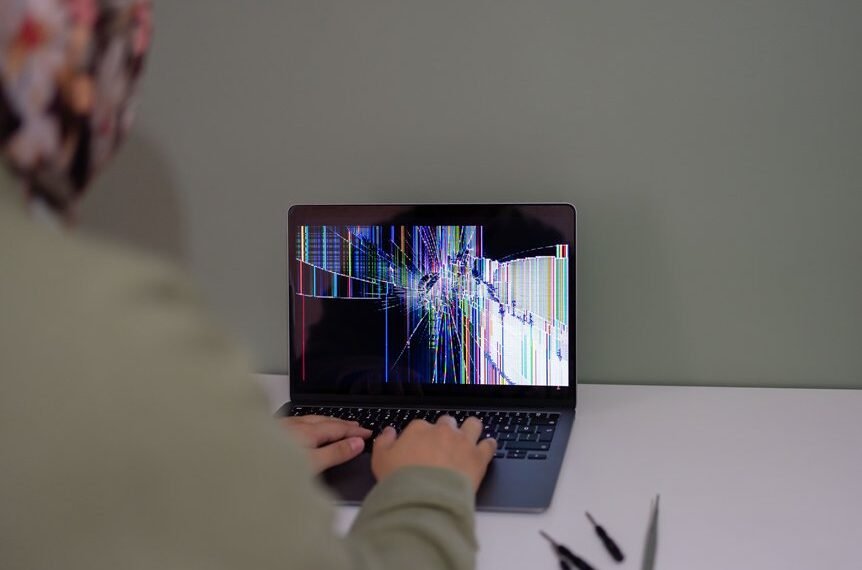
The guide begins by identifying the unexpected difficulty around 2702988270 and clarifying what happened versus what was expected. It then offers quick-fix tweaks to address visible symptoms, followed by thorough checks to locate root causes. If safety, complexity, or risk exceed capabilities, it advises documenting findings and seeking professional help. A structured, independent approach remains essential, supported by evidence and timelines to guide the decision—yet key questions linger, inviting a careful next step.
Identify the Unexpected Difficulty You’re Facing
To identify the unexpected difficulty, the user should first clearly describe what occurred, including when it started, what was expected, and what actually happened. The description maintains a concise, factual tone.
This step reveals unexpected constraints and informs a troubleshooting mindset, guiding subsequent checks. A precise account enables focused analysis, disciplined problem framing, and effective, freedom-oriented resolution.
Quick-Fix Tweaks You Can Do Now
Quick-fix tweaks can often resolve unexpected difficulties without major changes. The approach is to identify symptoms, then triage actions by prioritizing fixes with immediate impact. A brief diagnostic focus helps locate common causes, enabling quick, targeted adjustments. Finally, compare solutions to select the most effective option, balancing speed and risk while preserving freedom to proceed.
Thorough Checks to Diagnose the Root Cause
Are the limiting factors and failures clearly identifiable by a structured examination? The process applies systematic checks, distinguishing unknown obstacles from known signals. Diagnostic strategies rely on tracing steps, testing hypotheses, and documenting results. Subtle issues emerge through pattern recognition, while avoidance techniques minimize bias. Clear criteria guide evaluation, ensuring conclusions reflect evidence, not assumption, and support informed, independent resolution.
When to Call a Pro and How to Decide
When should a professional be engaged, and what criteria guide that decision? The guidance centers on safety, complexity, and potential impact. If risks outweigh skills, or outcomes hinge on precision, call expert assistance.
Evaluate costs and timelines within budgeting trades, and compare alternatives. Documentation, warranties, and reliability influence this choice, ensuring informed, deliberate action rather than reactive fixes.
Frequently Asked Questions
How Do I Prevent This Issue From Happening Again?
Preventive habits reduce recurrence by establishing routine checks and documentation. The approach emphasizes risk assessment, prioritizing high-impact factors, and iterative improvements; it remains clear, methodical, and concise, aiming to empower a freedom-minded, proactive stakeholder.
What Tools Are Essential for Quick Fixes?
Amidst a quiet allegory of a ship’s repair, quick fixes rely on essential tools: a multitool, electrical tape, spare fuses, a flashlight, a USB power bank, and diagnostic apps. These are the essential tools guiding swift resolution.
Can This Problem Be DIY With Limited Skills?
DIY limits apply; the problem may be tackled with caution, but skill assessment is essential before attempting. If skills are insufficient, seek professional help. A clear plan reduces risk, aligning actions with DIY limits and safety considerations.
How Long Should a Temporary Fix Last?
Temporary fix lasts hours to days depending on scope; duration planning considers diagnostic signs and preventive measures. Skill based DIY approaches require essential tools, careful testing, and clear safety margins, ensuring freedom while avoiding further damage.
Which Signs Indicate a Major Malfunction?
Malfunction signs include persistent failures, unusual noises, overheating, loss of power, and error indicators. If these appear, rely on quick fixes sparingly and prioritize safety; seek professional assessment for a lasting solution rather than risky improvisation.
Conclusion
In the end, the process unfolds like a wary compass finding true north. A clear map of the problem reveals where trouble hides, while quick fixes prune the most visible symptoms, restoring momentum. If shadows persist, thorough checks illuminate the root with patient precision. When risk looms beyond own reach, professional hands become a trusted lighthouse, guiding decisions with documented steps and steady timelines. The result is a measured, independent resolution that stands, firm as a tethered star, amid shifting tides.