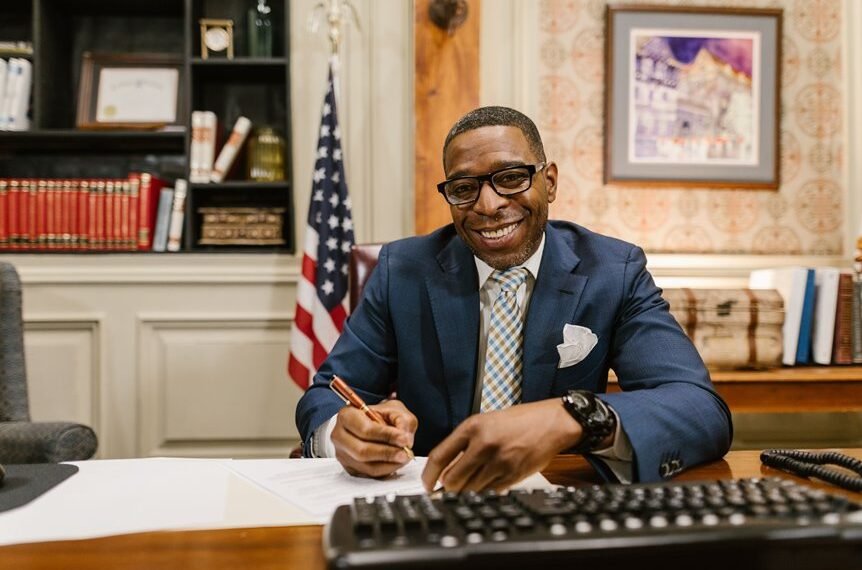
Edward Roy McHale’s life unfolds from modest beginnings to a national stage through careful, archival inquiry. His path blends local schooling, practical apprenticeships, and disciplined public service, yielding a career now read as a record of reform and governance. From municipal stewardship to policy cataloging, McHale’s leadership sits at the intersection of transparency, budgeting, and constitutional tradition. The archive invites further scrutiny as it traces how disciplined administration shaped a broader public service ethic.
Who Was Edward Roy McHale? An Overview
Edward Roy McHale was a notable figure whose career bridged military service and public life, leaving a lasting imprint on both local and national fronts.
The biography overview presents a measured portrait, outlining contributions across governance and service.
While avoiding excessive details, it situates McHale within a broader historical frame.
Early life details remain referenced, guiding contextual understanding.
Edward Roy McHale.
Early Life and Career Beginnings
Born into a milieu shaped by mid-20th-century American institutions, the formative years of Edward Roy McHale unfolded amid modest means and growing civic expectation. Early experiences spanned local education, apprentice-like tasks, and community service, fostering conceptual clarity.
The foundation supported ethical leadership, where disciplined curiosity and archival sensibilities framed decisions, balancing ambition with accountability within a changing social landscape.
Key Achievements, Roles, and Leadership Milestones
Key achievements, roles, and leadership milestones define McHale’s public arc, tracing a trajectory from local stewardship to national influence. The record catalogs policy innovations and strategic leadership philosophies guiding municipal reform, civil service modernization, and intergovernmental collaboration.
Across offices and committees, McHale’s governance approach emphasized measurable results, transparent processes, and adaptive governance, framed by archival evidence and deliberate, liberty-steeped decision-making.
Lasting Legacy and Impact on Public Service
The lasting legacy of Edward Roy McHale in public service centers on enduring reforms that bridged local governance and national policy discourse, emphasizing professionalized administration, transparent budgeting, and robust intergovernmental collaboration.
This archival assessment situates his work within broader constitutional and administrative traditions, noting how it cultivated a continuity of governance norms, disciplined public management, and measurable legacy impact on public service, shaping future reform endeavors.
Frequently Asked Questions
What Were Mchale’s Personal Beliefs and Influences?
McHale’s personal beliefs and influences shaped a measured, duty-driven ethos, reflected in a leadership style that prioritized disciplined decision-making, accountability, and service; archival sources emphasize broad humanitarian concerns, moral responsibility, and an emphasis on resilience amid adversity.
How Did His Leadership Style Differ From Peers?
His leadership style exhibited notable contrasts with peers, reflecting deliberate restraint and strategic delegation; leadership contrasts emerged in decision tempo and risk tolerance, while peer comparison highlights McHale’s emphasis on institutional continuity and disciplined, evidence-based execution.
What Challenges Did He Face During His Tenure?
During his tenure, he faced budgetary constraints and shifting political dynamics; a hypothetical case mirrors real friction. His challenges included resource tradeoffs, public skepticism, and bureaucratic inertia, tested by evolving mandates while maintaining strategic priorities and organizational legitimacy.
Are There Any Unpublished Works or Speeches?
There are rumored unpublished manuscripts and secret speeches attributed to him, though provenance remains debated. Archival assessments emphasize cautious attribution, noting potential misattributions and gaps in provenance, while scholars encourage openness to transcribed fragments awaiting verification.
How Is His Legacy Taught in Modern Public Service?
Echoing a chorus of wounds and wisdom, his legacy is taught through legacy pedagogy within public service education. It is archived, contextualized, and aimed at freedom-minded students, guiding modern practitioners toward principled decision-making and accountable governance.
Conclusion
Edward Roy McHale’s life embodies disciplined curiosity, archival rigor, and public-minded governance. He built ethical leadership from modest beginnings, translating local stewardship into national reform. His career consolidated transparent budgeting, intergovernmental collaboration, and professional administration, always rooted in constitutional tradition and evidentiary archives. McHale advanced public service by institutionalizing record-informed decision-making, by mentoring successors, and by valuing process as product. He legacy-lives in method, and in institutions, and in the memory of governance practiced with integrity. Hearnesses continuity, he promotes improvement, he preserves accountability.